
Education and Engagement
Our work in this space spreads awareness of the field of tobacco harm reduction and studies public opinions about this field in accordance with our charitable mission.
FEATURED GRANTEES
Knowledge Action Change
With Global Action’s support, Knowledge Action Change (KAC) has created the Tobacco Harm Reduction Scholarship Programme (THRSP) and the Global State of Tobacco Harm Reduction (GSTHR). These programs disseminate cessation and tobacco harm reduction information, education, and capacity building—particularly in LMICs, where most people who smoke reside. Through the THRSP, KAC has supported nearly 40 scholars to learn more about global nicotine and tobacco policy, and the role that tobacco harm reduction can play in lowering smoking rates.
Through the GSTHR, KAC publishes annual, freely available comprehensive profiles of nicotine and tobacco policies across several global regions. These profiles serve as a resource of the countries in which reduced-risk nicotine products may legally be available. GSTHR publishes these profiles, and additional reports on global nicotine and tobacco use, in multiple languages and produces work examining the potential unintended consequences of policies designed to limit access to these products.
Healthy
Initiatives
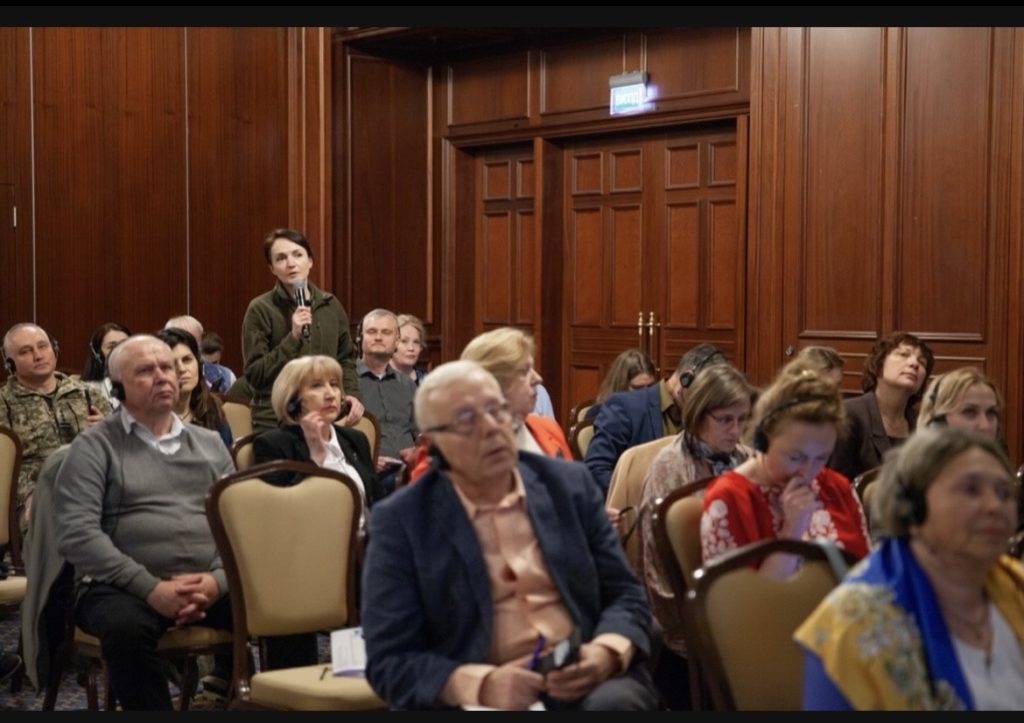
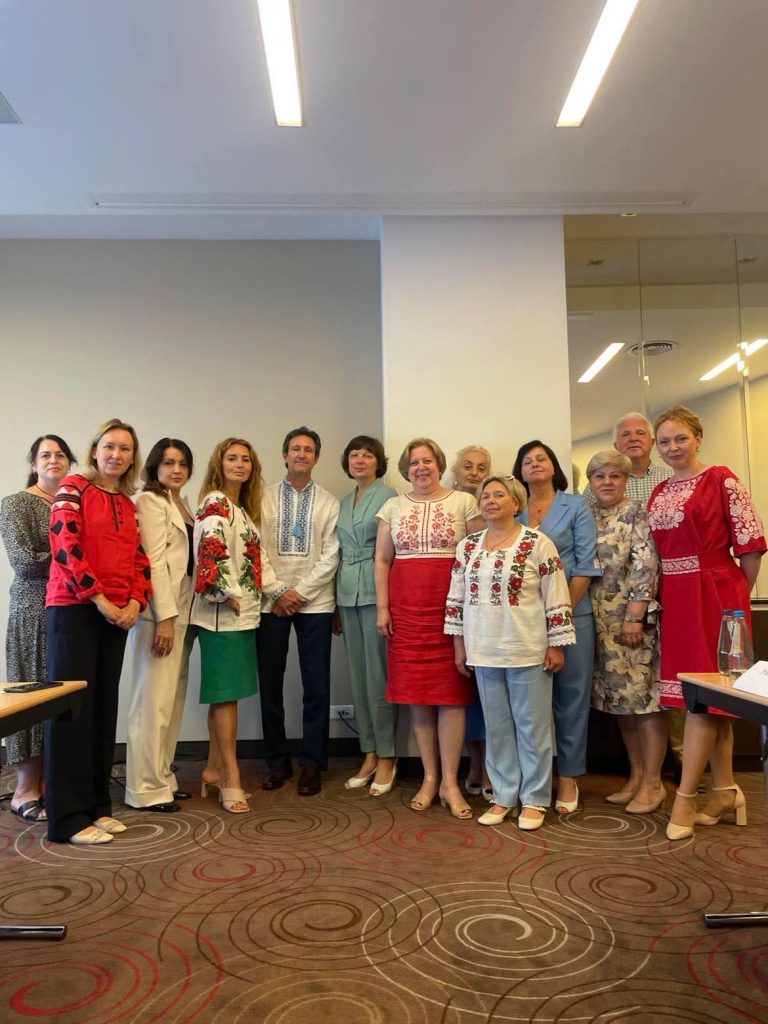
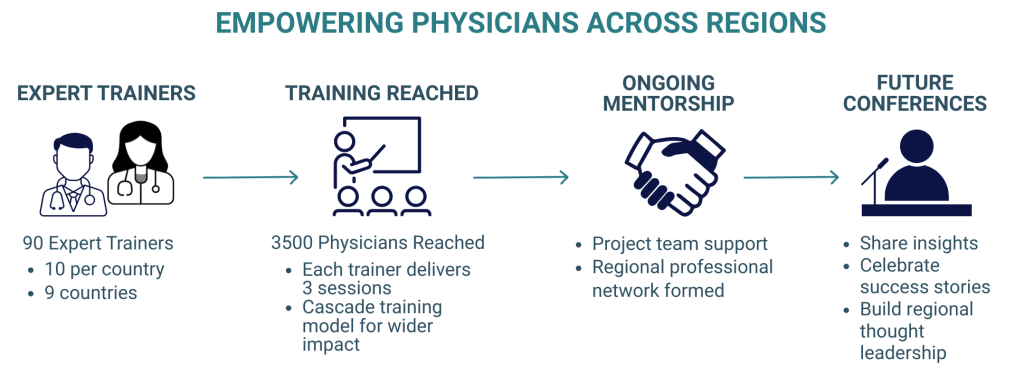
In 2024, Global Action provided a grant to Healthy Initiatives so it could increase knowledge among health care providers by correcting nicotine misperceptions and filling information vacuums about smoking cessation. This project features nine countries in Eastern Europe and Central Asia with high smoking rates, significant existing public misperceptions about nicotine, and gaps in cessation services.
Additionally, this project will develop a comprehensive toolkit for health care providers to train their peers about nicotine and smoking cessation including the role of reduced risk nicotine products.
Alternative Research Initiative
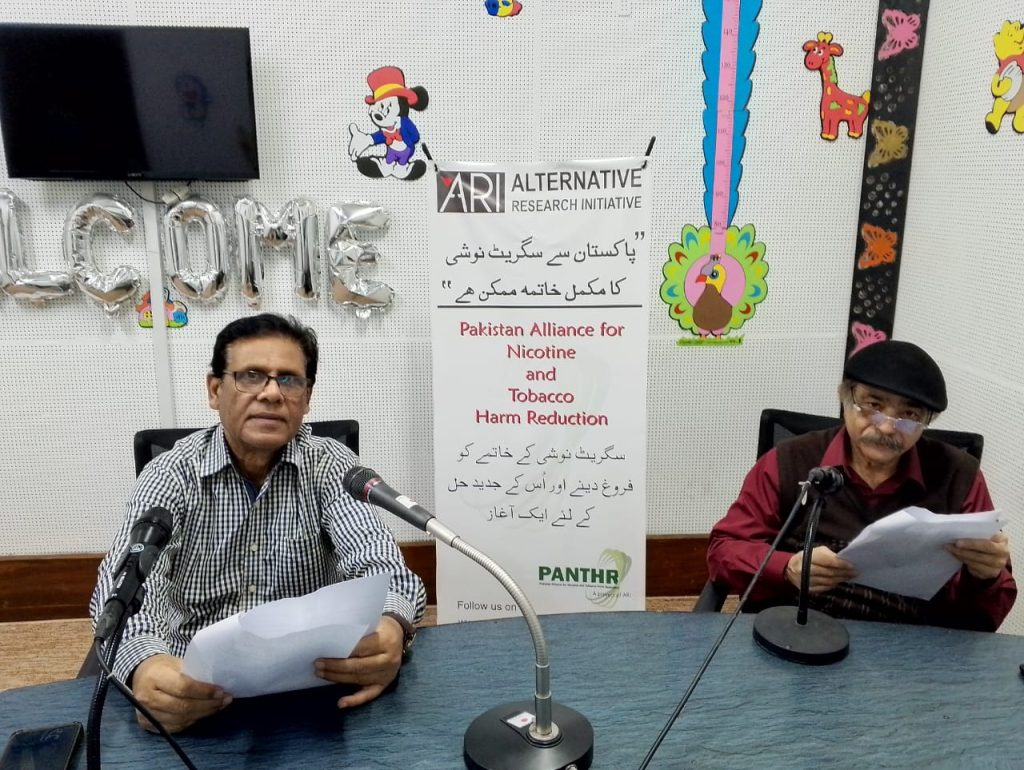
The Alternative Research Initiative project supported by Global Action in 2024 raises awareness of effective smoking cessation services to people who smoke across Pakistan and dispels misinformation about nicotine. The group is assessing availability of services for adult smokers across Punjab and Sindh.
By collecting detailed information regarding the backgrounds of people who smoke in these regions, ARI aims to get a clear picture of the obstacles these individuals may face in seeking cessation support. It also plans to study any advantages or negative side effects different smoking cessation tools may have. Together, these studies will illustrate the subnational trends of smoking cessation across the country.
Thought Leadership
In addition to Global Action’s grantee work, we are taking direct action to educate people who smoke, health care providers, and other key stakeholders on the relative risks of various nicotine products and how tobacco harm reduction can save lives.
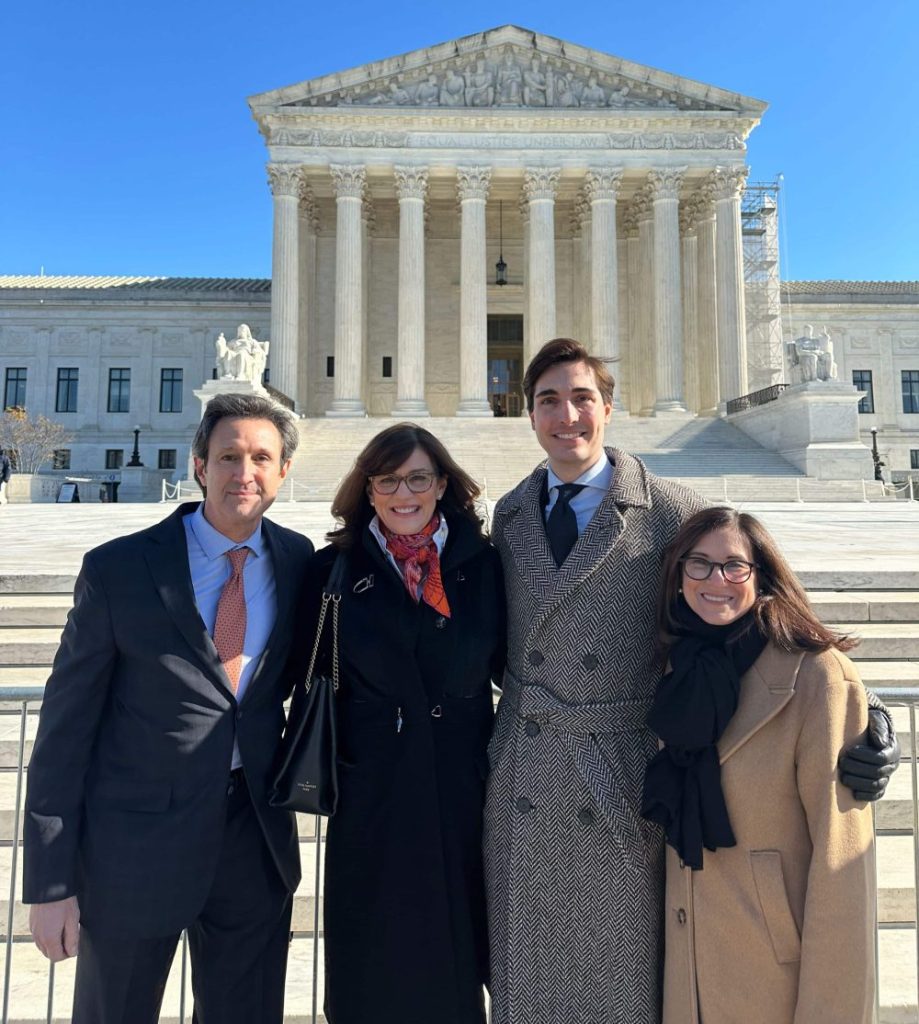
In 2024, Global Action submitted the only amicus brief in support of neither party for the U.S. Supreme Court case Food and Drug Administration v. Wages and White Lion Investments, LLC. This brief, which was submitted to provide the justices with critical information in support of public health, was the only one relied on in the Court’s opinion of the 14 amicus briefs submitted. Specifically, the Court cited Global Action’s explanation of the relative risks of combustible cigarettes and e-cigarettes, as well as the scientific literature it gathered on the topic.

Additionally, we launched our first-ever Community Newsletter, a monthly publication that reaches thousands of people across the world. This work, as well as our work in speaking directly to journalists and other members of the media, is emblematic of our thought leadership as a unique public health organization embracing compassion to help everyone who smokes quit.
